
A regular salary provides the foundation for financial stability, yet many people find that their income disappears each month without clear progress toward long-term goals. Effective salary management is less about earning more and more about directing what you already earn with intention. By creating a workable budget, prioritising savings, controlling debt, and investing consistently, it is possible to build meaningful financial security over time. The process begins with understanding where money goes and ends with habits that compound quietly in the background.
Start with a Clear Picture of Income and Expenses
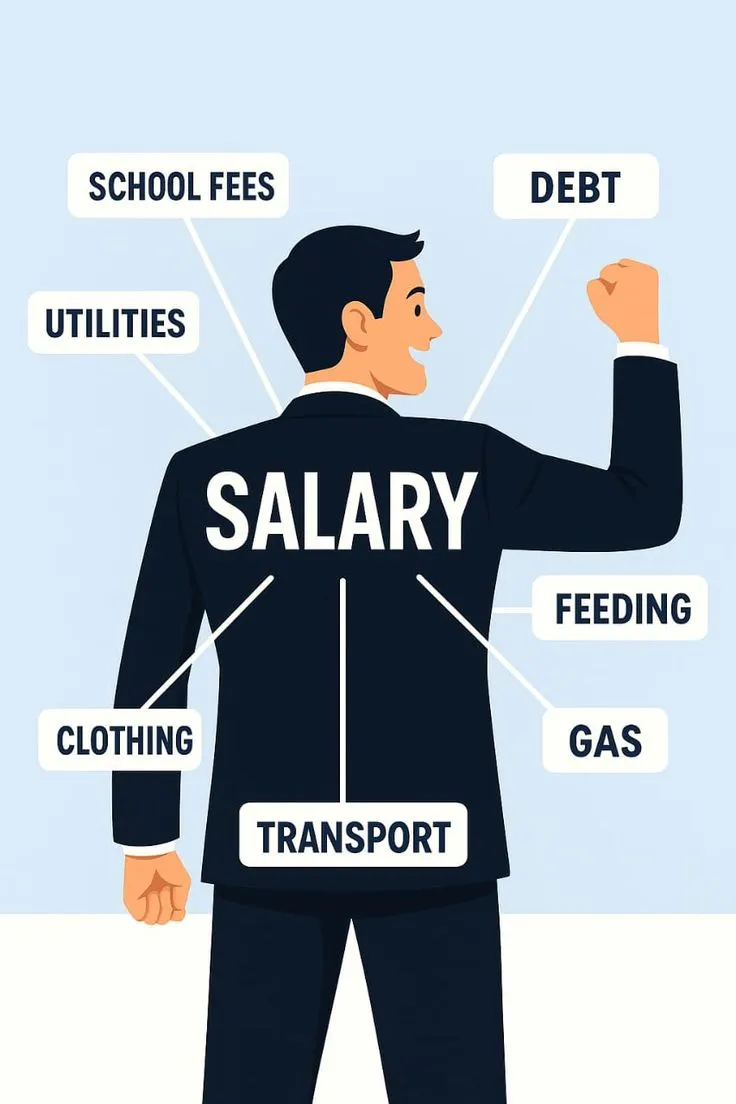
The first step is knowing exactly how much money comes in and where it goes out. Calculate take-home pay after taxes and other deductions. Then track all expenses for at least one month, including fixed costs such as rent or mortgage, utilities, insurance, and debt payments, as well as variable spending on food, transport, entertainment, and small daily purchases.
Many people discover that discretionary spending is higher than expected. This awareness creates the opportunity to make deliberate adjustments rather than reacting to shortfalls at the end of the month.
Adopt a Simple Budgeting Framework
A practical structure helps allocate income purposefully. One widely used approach divides take-home pay into broad categories: essential needs, wants, and savings or debt repayment. A common guideline suggests directing roughly half of income toward necessities, a portion toward discretionary spending, and a meaningful share toward savings and financial goals.
The exact percentages can be adjusted according to individual circumstances, such as high housing costs or significant debt. The important principle is that savings and debt reduction are treated as non-negotiable categories rather than leftovers. Revisiting the budget every few months ensures it remains realistic as income or expenses change.
Pay Yourself First
One of the most effective habits is automating savings. Arrange for a fixed amount or percentage of each salary to be transferred automatically into a savings or investment account on payday. When money is moved before it can be spent, consistency becomes easier. Many employers also allow direct contribution to retirement plans, which further reduces the temptation to skip savings.
Treating savings as a priority payment rather than an optional afterthought builds wealth steadily. Raises and bonuses offer additional opportunities: directing a large portion of any increase into savings or debt repayment accelerates progress without requiring a permanent reduction in lifestyle.
Build an Emergency Fund
Unexpected expenses—medical bills, car repairs, or temporary loss of income—can derail financial plans if no reserve exists. An emergency fund covering three to six months of essential living expenses provides a critical buffer. This money should be kept in a safe, accessible account separate from everyday spending.
Start with a smaller target if necessary and build gradually. Even modest regular contributions accumulate over time. Once the fund reaches an adequate level, additional savings can be directed toward other goals without the constant risk of being forced into high-interest debt during a crisis.
Manage and Reduce Debt Strategically
High-interest debt, particularly credit card balances, erodes financial security faster than almost any other factor. Prioritising repayment of the most expensive debt first frees future cash flow. While paying down balances, avoid accumulating new high-interest obligations.
Lower-interest debt, such as certain student loans or mortgages, can be managed alongside other goals, but the overall strategy should still aim for steady reduction. Keeping total debt service manageable relative to income preserves flexibility and reduces stress.
Invest for the Longer Term
Once an emergency fund is in place and high-interest debt is under control, directing part of each salary toward long-term investments becomes essential. Retirement accounts offered through employers often include tax advantages and sometimes matching contributions, which represent an immediate return. Consistent contributions over many years benefit from compounding, allowing money to grow more effectively than savings alone.
Investment choices should align with time horizon and risk tolerance. The primary advantage for most salaried individuals is regular, automated investing rather than attempts to time markets. Starting early, even with modest amounts, produces significantly better results than delaying.
Control Lifestyle Inflation
As salaries increase, spending often rises in parallel. Consciously limiting this tendency—sometimes called lifestyle inflation—allows a larger share of higher earnings to support savings and investment. Enjoying reasonable improvements in quality of life is natural, yet protecting a growing percentage of income for future goals strengthens long-term security.
Reviewing subscriptions, dining habits, and other recurring costs periodically helps identify areas where spending no longer delivers proportional value.
Increase Earning Capacity Over Time
While managing existing salary is crucial, improving earning potential expands options. Developing skills, seeking promotions, changing roles when appropriate, or exploring additional income streams can raise total resources. Any increase should be paired with the same disciplined allocation habits so that higher income translates into greater security rather than simply higher spending.
Review and Adjust Regularly
Financial circumstances change. Periodic reviews of the budget, savings rate, debt balances, and investment contributions keep the plan aligned with current reality and future objectives. Tracking net worth over time—assets minus liabilities—provides a clear measure of overall progress.
Building Security Through Consistency
Managing a salary effectively does not require complex strategies or extreme frugality. It requires clarity about income and expenses, a workable allocation system, automation of savings, protection against emergencies, reduction of costly debt, and steady long-term investing. Small, repeated actions compound into substantial results.
Financial security is built gradually through decisions made with each paycheck. By directing salary with intention—paying essential costs, controlling discretionary spending, and consistently funding future needs—individuals create resilience against short-term disruptions and a stronger foundation for the years ahead. The process is practical, adaptable, and within reach of anyone willing to treat their income as a tool for lasting stability rather than solely for immediate consumption.
Read more – thewhipp.com