
What should happen to a body after death is a deeply personal decision, yet one that fewer people discuss openly. Traditional options of burial and cremation have long dominated, but a newer method known as human composting is gaining attention as an environmentally conscious alternative. Also called natural organic reduction or terramation, this process transforms human remains into nutrient-rich soil through controlled microbial activity.
Understanding Human Composting
Human composting accelerates the natural process of decomposition that occurs in the environment. Instead of leaving a body to break down slowly in the ground or reducing it through high heat, the remains are placed in a specially designed vessel where temperature, moisture, oxygen and organic materials are carefully managed. The result is soil that can support plant life rather than ash or a permanently occupied burial plot.
The method draws on the same biological principles used in livestock mortality composting and backyard composting, but it is carried out under regulated, professional conditions to ensure safety and consistency.
How the Process Works Step by Step
The process begins after death, without the use of embalming fluids. The body is typically washed, dressed in a biodegradable shroud if desired, and any battery-powered medical devices such as pacemakers are removed. It is then placed inside a reusable steel vessel, often cylindrical and roughly the size of a large container, and surrounded by a carefully balanced mixture of carbon-rich organic materials. These usually include wood chips, straw and alfalfa.
These plant materials create the ideal carbon-to-nitrogen ratio, generally around 25 to 30 parts carbon to one part nitrogen, that allows microorganisms to thrive. Naturally occurring bacteria, fungi and other microbes already present on and within the body, along with those in the plant matter, begin to break down the soft tissues.
Oxygen is supplied through aeration systems, and the vessel may be gently rotated or rocked at intervals to ensure even decomposition. As the microbes metabolise the organic material, they generate heat. Internal temperatures typically rise to between 55 and 71 degrees Celsius (131 to 160 degrees Fahrenheit). Sustaining temperatures above 131 degrees Fahrenheit for at least 72 consecutive hours helps destroy pathogens, making the final soil safe for use.
The active decomposition phase usually lasts about 30 days, though exact timing can vary depending on body size, equipment design and environmental controls. After this period, the material is removed from the vessel. Any remaining bone fragments are separated, pulverised and returned to the mixture. Inorganic items such as surgical implants, dental work or other non-organic materials are sifted out and disposed of according to regulations.
The soil then enters a curing phase lasting two to six weeks. During this time, further breakdown occurs, moisture levels stabilise, and the material becomes a consistent, earth-like substance. The entire process from placement to finished soil generally takes eight to twelve weeks and yields approximately one cubic yard of nutrient-rich compost.
Environmental Considerations
One of the main reasons people consider human composting is its lower environmental impact compared with conventional methods. Traditional burial often involves embalming chemicals, hardwood or metal caskets, concrete vaults and permanent land use in cemeteries. Cremation requires high temperatures generated by fossil fuels and releases carbon dioxide into the atmosphere—estimates place emissions from a single cremation at several hundred pounds of CO2.
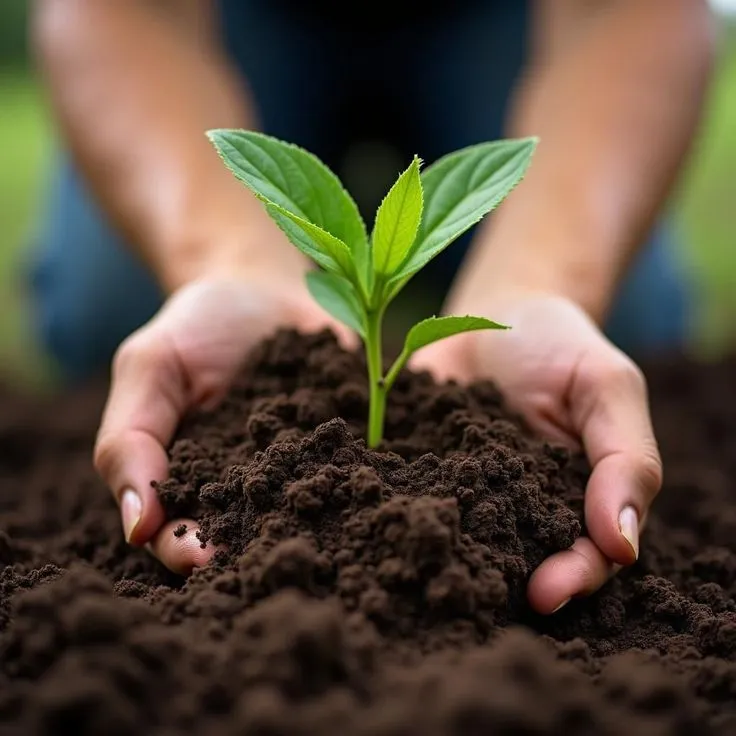
Human composting uses significantly less energy, often described as roughly one-eighth that of cremation. Carbon from the body is retained within the finished soil rather than released as gas. The resulting compost can be used to enrich soil, support plant growth or contribute to land restoration and conservation projects. No toxic embalming chemicals are introduced into the ground, and there is no ongoing demand for cemetery space.
That said, the process is not entirely without footprint. Electricity is needed to power aeration, monitoring systems and any vessel rotation, and organic materials such as wood chips must be sourced and transported. Independent assessments continue to refine the overall carbon accounting, but the method is widely regarded as one of the lower-impact options currently available.
Practical and Personal Aspects
The finished soil can be returned to the family in full or in part. Some choose to use it for planting a memorial tree or garden, while others donate it to conservation efforts. Facilities typically offer opportunities for families to participate in a “laying-in” ceremony before the vessel is sealed, providing a moment of farewell similar to traditional viewing or graveside rites.
Costs generally fall in a mid-range between basic direct cremation and full traditional burial services, though exact figures vary by provider and location. Availability remains limited to jurisdictions that have legalised the practice. Washington became the first US state to authorise it in 2019, and a growing number of other states have since followed. Legislation continues to evolve in additional places, and some facilities accept remains transported from areas where the method is not yet permitted.
Certain medical conditions, particularly prion diseases, may exclude individuals from the process due to safety protocols. Providers follow strict public-health standards and regulatory requirements to ensure the soil meets safety thresholds.
Is It a Better Alternative?
Whether human composting is preferable depends on individual values, cultural or religious beliefs, practical circumstances and environmental priorities. For those seeking to minimise land use, avoid fossil-fuel emissions associated with cremation, and create something that contributes to living systems, the method offers a meaningful option. It aligns with broader interest in green burial practices that emphasise returning the body to natural cycles.
Others may prefer the familiarity of traditional burial, the simplicity and widespread availability of cremation, or different emerging alternatives such as water-based reduction methods. Personal comfort with the idea of transformation into soil also plays a significant role. What feels restorative to one person may feel unfamiliar or unsettling to another.
Looking Ahead
As more jurisdictions consider legalisation and public awareness grows, human composting is likely to become a more familiar choice among end-of-life options. The science behind it is straightforward: controlled microbial decomposition under conditions that accelerate nature’s own processes while prioritising safety and environmental responsibility.
For those planning ahead or supporting loved ones through decisions after a death, understanding how the process works provides clarity. Human composting does not replace the emotional and ceremonial aspects of saying goodbye. Instead, it offers a different physical outcome—one that turns remains into soil capable of supporting new growth. In an era of increasing attention to ecological impact, that possibility resonates with a growing number of people seeking alignment between their values and their final arrangements.
Read more – Aeshikshakosh.com