
Living more sustainably does not require dramatic sacrifices or a complete overhaul of daily routines. Small, consistent choices in the kitchen, at home, and during ordinary activities can meaningfully reduce resource use and environmental impact. These practical adjustments fit into existing habits and often save money as well. By focusing on easy actions that accumulate over time, anyone can contribute to lower waste, reduced energy consumption, and more thoughtful resource use.
Reduce Food Waste and Make Mindful Meal Choices
Food that ends up in landfills produces methane, a potent greenhouse gas, as it decomposes. Planning meals, storing leftovers properly, and using ingredients before they spoil cuts this waste significantly. Freezing portions that cannot be eaten soon or turning vegetable scraps into broth are simple habits that stretch groceries further.
Incorporating more plant-based meals a few times each week also helps. Producing animal-based foods generally requires more land, water, and energy than plant foods. Starting with one or two meat-free days or choosing smaller portions of meat does not demand a full dietary shift yet lowers the overall footprint of meals. Buying seasonal and locally available produce when convenient further reduces transportation-related impacts without requiring special shopping trips.
Conserve Water with Everyday Adjustments
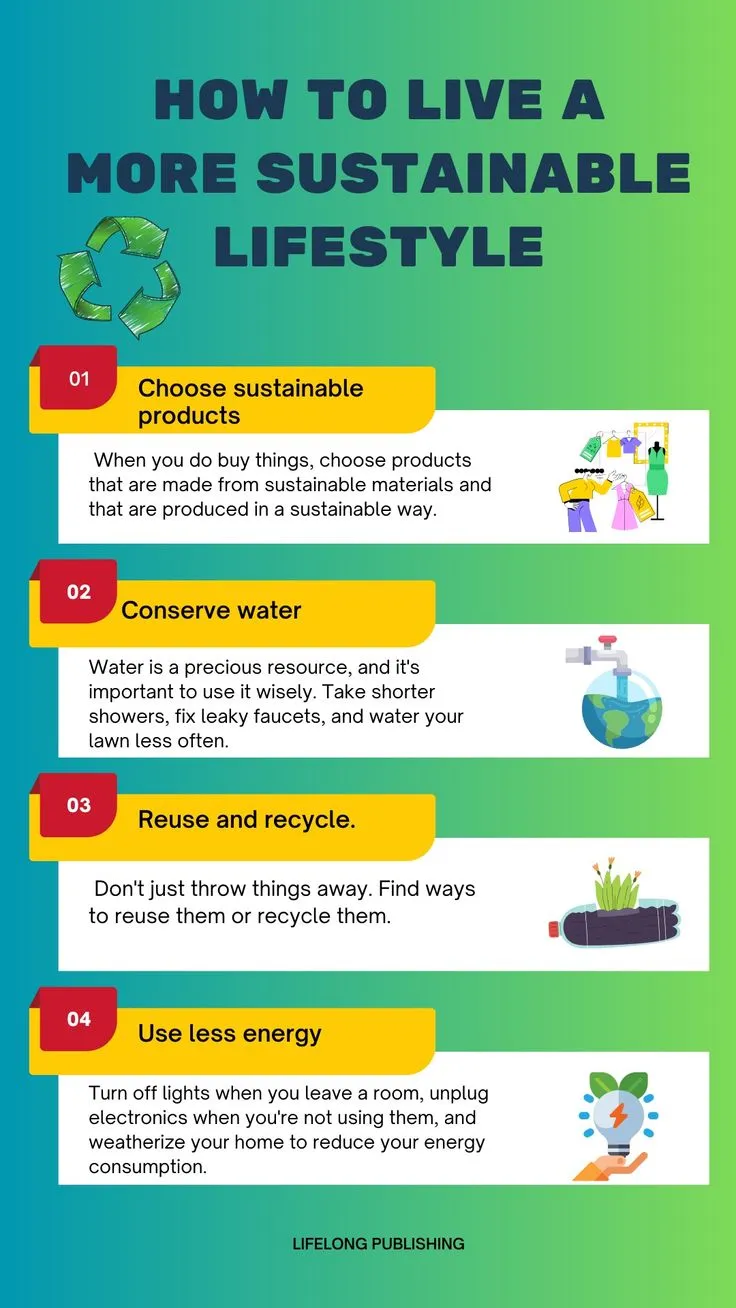
Water treatment and heating consume energy, so using less water saves both resources. Turning off the tap while brushing teeth or soaping hands is an effortless change. Taking slightly shorter showers and fixing leaky faucets or toilets prevents unnecessary waste—leaks can account for substantial daily losses.
Running dishwashers and washing machines only with full loads maximizes efficiency. When replacing fixtures over time, selecting water-efficient models provides ongoing savings without altering daily routines. These steps protect local water supplies and reduce the energy needed to process and deliver water.
Lower Home Energy Use Through Simple Habits
Electricity and heating represent major portions of household impact. Switching off lights when leaving a room and unplugging chargers or devices not in use eliminates standby power consumption. Replacing traditional bulbs with longer-lasting, efficient alternatives reduces both energy draw and the frequency of replacements.
Adjusting the thermostat by a few degrees—cooler in winter and warmer in summer—cuts heating and cooling demand while remaining comfortable for most people. Closing curtains during peak heat or cold helps stabilize indoor temperatures naturally. These actions require no new equipment beyond basic awareness and deliver noticeable reductions over months and years.
Choose Reusables and Cut Single-Use Items
Single-use plastics and packaging create ongoing waste streams. Carrying a reusable water bottle eliminates the need for disposable ones, which require significant energy to produce and transport. Keeping a foldable shopping bag on hand avoids plastic or paper bags at stores.
Selecting products with minimal packaging or buying in bulk when practical reduces material use. Repairing items or choosing second-hand goods for occasional needs extends product life and decreases demand for new manufacturing. These swaps become automatic once the reusable alternatives are kept convenient and ready.
Move More Efficiently for Short Trips
Transportation choices influence emissions. Walking or cycling for nearby errands replaces short car trips and adds incidental physical activity. Combining multiple stops into one outing reduces total driving distance. When driving is necessary, maintaining steady speeds and avoiding excessive idling improves efficiency.
Public transit or shared rides for longer routine journeys further lower individual impact. These options fit existing schedules for many people and require only a shift in default habits rather than new infrastructure.
Recycle Correctly and Compost When Possible
Proper sorting ensures materials actually get recycled rather than contaminating streams. Learning local guidelines for plastics, paper, metals, and glass prevents well-intentioned efforts from creating extra processing problems. Composting food scraps and yard waste, even on a small scale with a countertop bin or community program, diverts organic material from landfills and can create useful soil amendment.
Reducing overall consumption remains the most effective first step—refusing unnecessary items and reusing what is already owned lowers the volume that needs managing later.
Build Consistency Without Overwhelm
Sustainable living works best when changes feel manageable. Starting with one or two habits—such as always carrying a reusable bottle and planning meals to avoid waste—creates momentum. Tracking small wins, like fewer trash bags or lower utility bills, reinforces the value of the effort.
Collective small actions matter. When many people adopt similar everyday practices, the combined effect on energy demand, waste generation, and resource use becomes substantial. The goal is progress through ordinary decisions rather than perfection through drastic measures.
By weaving these straightforward practices into daily life, individuals reduce their environmental footprint while often gaining simpler routines and modest financial savings. Sustainability then becomes a natural extension of thoughtful living instead of a separate, demanding project. Over time, these modest adjustments support healthier local environments and contribute to broader resource conservation without requiring major lifestyle disruption.
Read more – wasatchglobal.com