
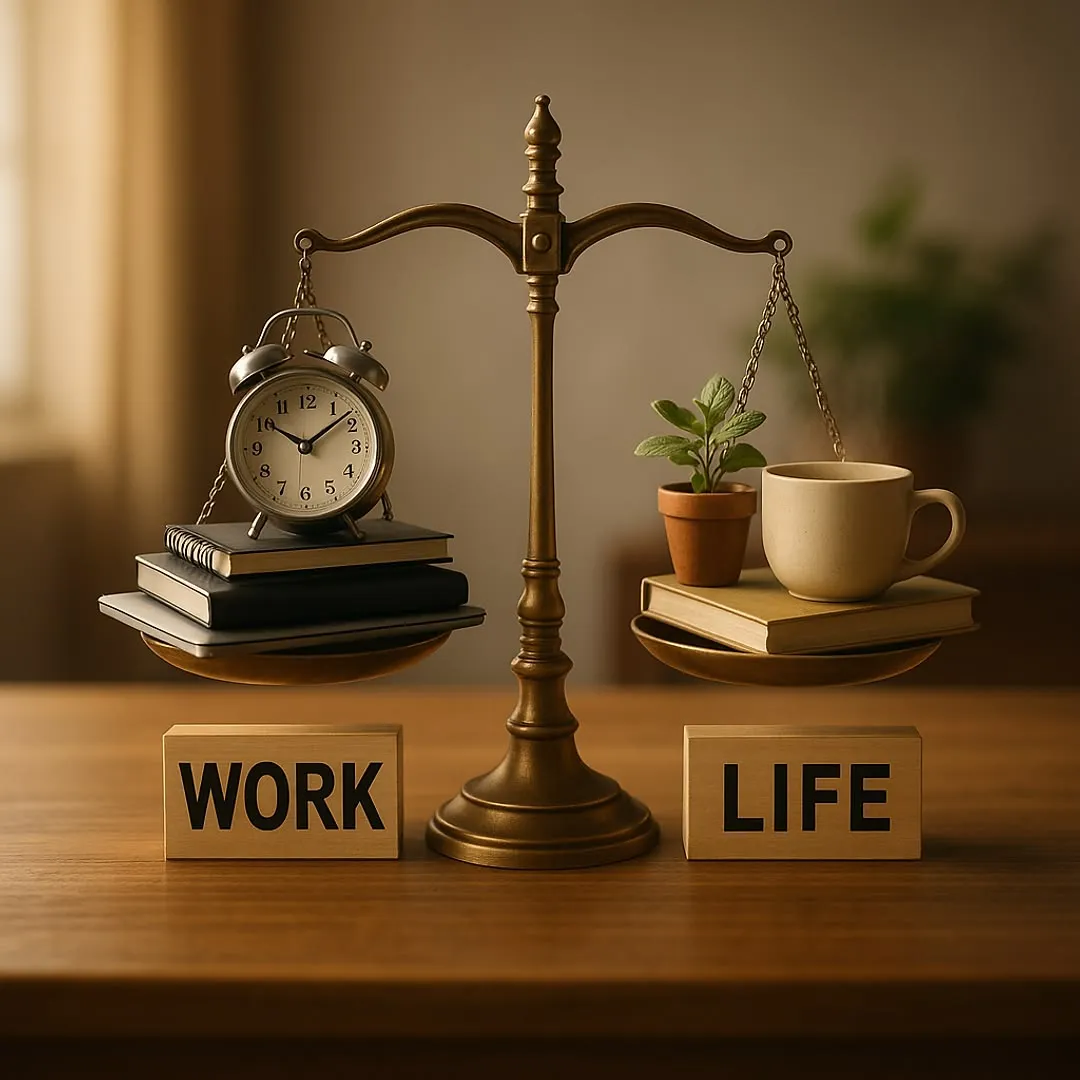
In today’s fast-paced world, maintaining a healthy work-life balance has become increasingly challenging. Advances in technology have made it easier to stay connected to work, but they have also blurred the boundaries between professional and personal life. A poor work-life balance can lead to stress, burnout, reduced productivity, and even health problems such as anxiety, sleep disturbances, and high blood pressure. On the other hand, a balanced lifestyle improves mental well-being, strengthens relationships, and enhances job performance. Achieving work-life balance does not mean dividing time equally between work and personal activities. Instead, it involves creating a sustainable routine that allows you to meet professional responsibilities while making time for family, health, hobbies, and relaxation.
Understanding Why Work-Life Balance Is Essential for Overall Well-Being
Work-life balance plays a significant role in both physical and mental health. Studies have shown that people who consistently work long hours without adequate rest are more likely to experience chronic stress and emotional exhaustion. Maintaining balance allows individuals to recharge their energy, improve concentration, and make better decisions at work. It also contributes to stronger personal relationships because people can dedicate quality time to their loved ones. Organizations are increasingly recognizing that employees with a healthy work-life balance tend to be more productive, engaged, and satisfied with their jobs. Therefore, creating balance is not only beneficial for individuals but also for businesses and workplaces.
Setting Clear Boundaries Between Work and Personal Life
One of the most effective ways to improve work-life balance is by establishing clear boundaries between work and personal time. Many professionals continue checking emails and responding to messages after office hours, which makes it difficult to disconnect from work-related stress. Setting specific working hours and avoiding professional tasks outside those hours can help create a healthier routine. If you work remotely, having a dedicated workspace can also prevent work from interfering with family life. Communicating your availability to colleagues and clients ensures that expectations are clear and helps protect your personal time from unnecessary interruptions.
Learning to Prioritize Tasks and Manage Time Effectively
Poor time management often leads to increased stress and an imbalance between work and personal life. Prioritizing important tasks and organizing daily activities can significantly improve productivity. Creating a to-do list and identifying high-priority tasks allows individuals to focus on what truly matters instead of becoming overwhelmed by minor responsibilities. Breaking large projects into smaller, manageable tasks can also reduce pressure and improve efficiency. Effective time management not only helps complete work on time but also creates opportunities to spend more time on personal interests and family activities.
Taking Regular Breaks to Improve Productivity and Reduce Stress
Many people believe that working continuously for long hours increases productivity, but research suggests the opposite. Regular breaks help refresh the mind, improve focus, and reduce mental fatigue. Even short breaks during the workday can increase concentration and creativity. Taking time to stretch, walk, or simply step away from the computer screen allows the brain to recover from prolonged periods of concentration. Employees who take breaks often return to their tasks with renewed energy and perform better than those who work without rest. Incorporating small breaks into your daily routine is a simple yet highly effective strategy for achieving better work-life balance.
Learning to Say No and Avoid Taking on Too Many Responsibilities
One of the common reasons people struggle with work-life balance is the inability to decline additional responsibilities. Accepting every request or project can quickly lead to overwhelming workloads and increased stress. Learning to say no respectfully is an important skill that protects both mental health and personal time. It is essential to recognize your limits and understand that taking on too many responsibilities can reduce the quality of your work and negatively affect your well-being. Setting realistic expectations and focusing on priorities allows you to manage your workload more effectively and maintain a healthier balance.
Making Time for Physical Activity and Personal Health
Regular physical activity is essential for maintaining both physical and mental well-being. Exercise helps reduce stress hormones, improves mood, and boosts energy levels. Even simple activities such as walking, cycling, or practicing yoga can significantly improve overall health and help manage daily stress. Along with exercise, maintaining healthy eating habits and getting sufficient sleep are equally important. Lack of sleep and poor nutrition can negatively affect productivity, concentration, and emotional stability. Taking care of your health should be viewed as a necessity rather than a luxury because it directly influences your ability to perform effectively in both personal and professional life.
Spending Quality Time with Family and Friends
Strong personal relationships are a vital part of a balanced and fulfilling life. Spending quality time with family and friends provides emotional support and helps reduce feelings of stress and isolation. Whether it is having dinner with loved ones, participating in social activities, or simply engaging in meaningful conversations, these moments contribute to emotional well-being and happiness. Prioritizing relationships also creates a support system that can help individuals cope with workplace challenges and personal difficulties. Making time for the people who matter most is an important step toward achieving long-term work-life balance.
Disconnecting from Technology and Creating Personal Time
Technology has made communication easier, but it has also made it difficult to separate work from personal life. Constant notifications, emails, and messages can create the feeling of always being on duty. Setting boundaries around technology use can help reduce stress and improve personal well-being. Designating certain times of the day as screen-free periods allows individuals to relax and focus on activities that bring joy and fulfillment. Reading, pursuing hobbies, or spending time outdoors can help recharge the mind and improve overall life satisfaction. Taking intentional breaks from technology is an effective way to restore balance and reduce mental fatigue.
Practicing Stress Management Techniques for Better Mental Health
Managing stress effectively is essential for maintaining a healthy work-life balance. Techniques such as meditation, deep breathing exercises, mindfulness, and journaling can help individuals cope with daily pressures more effectively. These practices encourage relaxation and improve emotional resilience, making it easier to handle workplace challenges and personal responsibilities. Developing healthy coping mechanisms also reduces the risk of burnout and contributes to long-term mental well-being. Taking even a few minutes each day to practice stress-management techniques can have a significant positive impact on overall quality of life.
Creating a Sustainable Routine That Supports Long-Term Balance
Achieving work-life balance is not about making drastic changes overnight. Instead, it involves creating small, consistent habits that support both professional success and personal happiness. Establishing a daily routine that includes time for work, rest, exercise, relationships, and hobbies helps create structure and reduces feelings of overwhelm. Flexibility is also important because personal and professional demands can change over time. Regularly evaluating your priorities and making adjustments when necessary ensures that your routine continues to support your goals and well-being.
Conclusion
Work-life balance is essential for maintaining good health, strong relationships, and long-term professional success. While modern lifestyles often make balance difficult to achieve, practical strategies such as setting boundaries, managing time effectively, taking breaks, prioritizing health, and spending quality time with loved ones can make a significant difference. Creating a healthy balance between work and personal life does not require perfection; it requires mindful choices and consistent effort. By implementing these practical tips, individuals can reduce stress, improve productivity, and enjoy a more fulfilling and meaningful life.