
Understanding current affairs is an essential skill in today’s fast-changing world. News about politics, economics, technology, environment, science, international relations, and social issues influences our daily lives in many ways. However, with the continuous flow of information from television, newspapers, websites, and social media platforms, many people find it difficult to separate important news from unnecessary information.
Being aware of current affairs is not only about remembering headlines. True understanding requires knowing the background of an event, identifying its impact, analyzing different viewpoints, and connecting it with broader trends. Whether you are a student preparing for competitive exams, a professional making informed decisions, or simply a responsible citizen, developing the ability to understand current affairs can improve your knowledge and decision-making skills.
This article explains practical methods to understand current affairs better, develop a habit of learning, analyze news effectively, and stay updated without feeling overwhelmed.
What Are Current Affairs?
Current affairs refer to recent events, developments, and issues happening around the world that have social, political, economic, scientific, or cultural importance.
Current affairs cover a wide range of topics, including government policies, elections, international agreements, financial changes, technological innovations, climate-related events, healthcare developments, and important social movements.
Unlike general knowledge, which focuses on established facts from the past, current affairs deal with ongoing situations that continue to change. Understanding current affairs requires regular learning because new information constantly develops.
For example, knowing that a new technology has been introduced is only basic awareness. Understanding why it was developed, how it affects industries, and what challenges it creates represents deeper knowledge.
Why Is Understanding Current Affairs Important?
Helps in Making Better Decisions
Current affairs influence personal, professional, and financial decisions. Understanding economic trends, government policies, and global developments helps individuals make more informed choices.
For example, changes in technology can affect career opportunities, while economic policies can influence savings, investments, and employment.
Improves Critical Thinking Skills
Following current events encourages people to analyze information instead of accepting everything they see or hear. It develops the ability to compare viewpoints, question information, and form logical opinions.
Supports Academic and Competitive Exam Preparation
Current affairs play an important role in many competitive examinations and academic discussions. Students need more than memorized facts; they need an understanding of events, causes, and consequences.
Builds Awareness About Society
Current affairs help individuals understand social challenges, global developments, and community issues. This awareness encourages responsible participation in society.
Start With Reliable News Sources
The first step toward understanding current affairs is choosing reliable sources of information. The internet has made news easily available, but not all information is accurate.
Many social media posts spread incomplete or misleading information because they focus on speed rather than accuracy.
Developing the habit of reading trusted newspapers, official announcements, research reports, and credible news platforms helps create a strong foundation.
Instead of depending on a single source, comparing information from multiple sources provides a more balanced understanding.
Focus on Important Topics Instead of Every News Story
One common mistake people make while following current affairs is trying to remember everything. The constant flow of information can become overwhelming.
A better approach is to focus on topics that have long-term importance.
Important areas generally include:
National Affairs
National news includes government decisions, policies, economic developments, important legal changes, and major social issues.
Understanding national affairs helps people understand how decisions affect citizens and the country’s future.
International Affairs
Global events influence trade, security, technology, and diplomatic relationships. Understanding international affairs requires looking beyond individual events and recognizing connections between countries.
Economy and Business
Economic developments such as inflation, employment trends, financial policies, and market changes affect everyday life.
Understanding economic news helps people connect financial decisions with larger economic conditions.
Science and Technology
Technology changes rapidly and affects communication, healthcare, education, and industries. Developments in artificial intelligence, space research, medicine, and digital systems are important areas to follow.
Understand the Background Behind Every News Event
Reading only headlines does not create real understanding. Headlines provide information about what happened, but understanding requires knowing why it happened.
Whenever you read about an important event, ask yourself:
What happened?
Why did it happen?
Who are the major people or organizations involved?
What are the possible effects?
How does it connect with previous events?
For example, if a government introduces a new policy, understanding requires learning its purpose, benefits, possible challenges, and impact on different groups.
Background knowledge transforms simple news reading into meaningful learning.
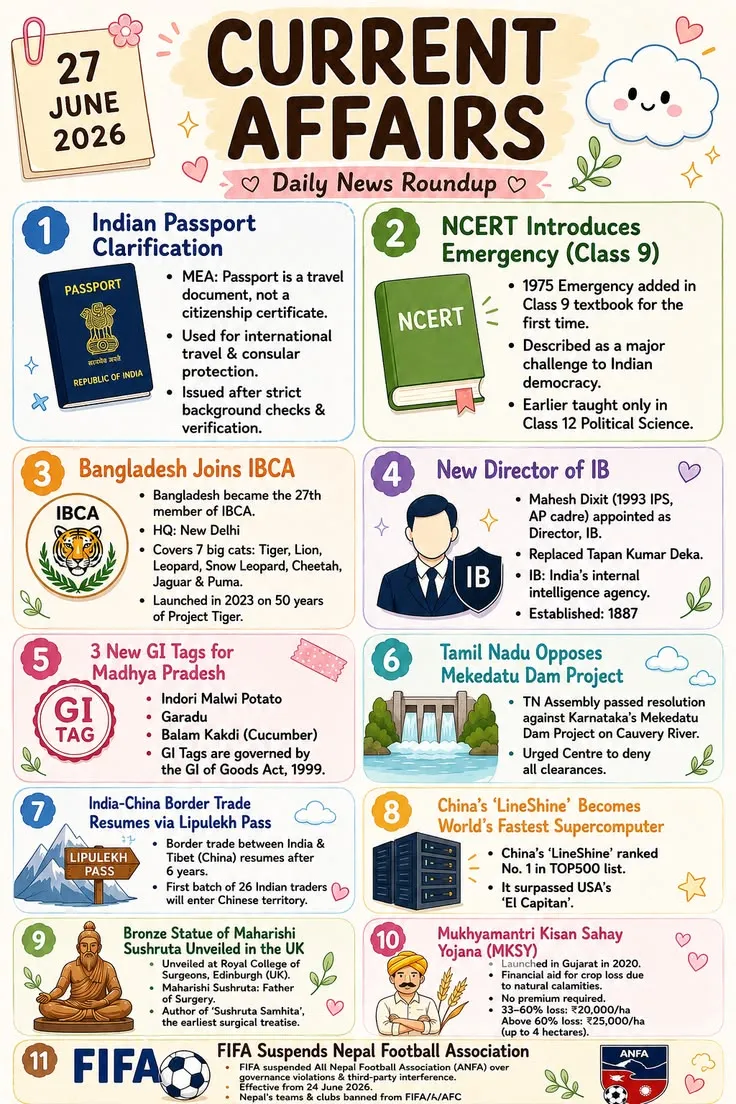
Develop the Habit of Daily Reading
Consistency is more important than spending many hours occasionally studying current affairs.
A daily routine of reading news for a fixed time can gradually improve understanding.
A practical approach is to spend 20 to 30 minutes daily reviewing important updates and then spend additional time exploring topics that require deeper understanding.
Regular exposure helps the brain recognize patterns and connect different events over time.
Maintain Notes for Better Understanding
Writing notes is an effective way to remember current affairs. Instead of copying complete news articles, summarize important information in your own words.
A useful note structure can include:
Topic name
Date of the event
Important facts
Reasons behind the development
Possible impact
Related background information
Creating organized notes helps during revision and improves long-term memory.
Learn to Analyze Different Perspectives
Current affairs often involve different opinions and viewpoints. Understanding multiple perspectives helps develop balanced thinking.
For example, a new policy may benefit one group while creating challenges for another. Looking at different viewpoints provides a more complete picture.
Critical analysis involves separating facts from opinions and understanding the reasoning behind different arguments.
A well-informed person does not simply follow one viewpoint but evaluates information logically.
Use Technology Wisely for Current Affairs Learning
Technology can make current affairs learning easier when used correctly.
Mobile applications, online learning platforms, podcasts, digital newspapers, and educational videos provide convenient ways to stay informed.
However, excessive dependence on short videos or social media summaries may provide incomplete information.
Technology should be used as a tool for learning, while deeper understanding should come from detailed reading and analysis.
Connect Current Affairs With History
Many current events are connected to past developments. Understanding history helps explain why certain events happen.
For example, international conflicts, economic policies, and political decisions often have historical backgrounds.
Learning basic historical context allows individuals to understand present situations more clearly instead of viewing events in isolation.
Avoid Common Mistakes While Following Current Affairs
Many people struggle with current affairs because of certain common mistakes.
One mistake is focusing only on headlines without understanding details.
Another mistake is relying completely on social media trends without checking accuracy.
Some people also try to memorize facts without understanding their meaning, making it difficult to apply knowledge.
Effective current affairs learning requires curiosity, analysis, and regular practice.
How to Build a Strong Current Affairs Learning Routine
A simple routine can make current affairs learning more effective.
Start the day by reviewing important news updates.
Select major topics that require deeper understanding.
Read detailed explanations instead of only short summaries.
Discuss important issues with others or write personal observations.
Review previous notes regularly to strengthen memory.
Over time, this consistent approach creates strong awareness and analytical ability.
Conclusion
Understanding current affairs better requires more than simply reading daily news. It involves developing the ability to analyze information, understand background details, identify important trends, and connect events with their wider impact.
By choosing reliable sources, focusing on meaningful topics, maintaining notes, learning different perspectives, and creating a consistent reading habit, anyone can improve their understanding of current affairs.
In a world where information changes rapidly, the ability to understand events clearly is a valuable skill. It helps individuals make informed decisions, improve knowledge, and become more aware participants in society.