
Medicine and surgery are not the answer for overweight young children, the World Health Organization stated on Wednesday. In its first comprehensive global guidelines on the management of obesity in children and adolescents, the WHO issued a strong recommendation against the use of obesity medications, bariatric surgery or weight-loss devices for those under the age of 10. The guidance prioritises structured lifestyle approaches and underscores the need to address mental health alongside physical health.
A Growing Global Challenge
Childhood and adolescent obesity has risen sharply in recent decades. According to the WHO, approximately 170 million people aged 5 to 19 were living with obesity in 2024. This includes around 70 million children aged 5 to 9 and 100 million adolescents. Prevalence in the 5-to-19 age group has quadrupled since 1990, climbing from 2 percent to about 8 percent. Obesity has now overtaken underweight as the most common form of malnutrition among school-age children and adolescents in many parts of the world.
The condition increases the risk of type 2 diabetes, cardiovascular problems, hypertension and other complications that can begin early and persist into adulthood. It also carries significant social and psychological consequences, including stigma, bullying and impacts on education and quality of life.
Core Recommendations for Young Children
For children aged 0 to 9 years, the WHO does not recommend pharmacological treatment, bariatric surgery or weight-management devices. This is described as a strong recommendation based on limited evidence regarding long-term safety and effectiveness in this age group, as well as concerns about starting medication so early in life.
Instead, the guidelines strongly advocate structured dietary interventions, regular physical activity and behaviour-change programmes. These should be delivered individually or as part of a multimodal approach that involves caregivers. The emphasis is on creating sustainable habits rather than relying on medical or surgical interventions.
Digital tools, such as activity trackers or supervised online programmes that encourage movement, are conditionally recommended when used with parental or caregiver oversight, though the evidence base remains limited.
Guidance for Adolescents
For adolescents aged 10 to 19 years, the approach is more nuanced. Approved obesity medicines may be considered, but only after a supervised multimodal lifestyle programme has failed to produce the desired results. Bariatric surgery may be an option under strict conditions for those with severe obesity, particularly when accompanied by serious complications such as type 2 diabetes or uncontrolled hypertension, and only after lifestyle measures have been thoroughly tried.
Even in this older group, the foundation of care remains comprehensive support for healthy eating, physical activity and lasting behaviour change. Medication and surgery are positioned as secondary options, not first-line solutions.
Why the Caution Around Drugs and Surgery
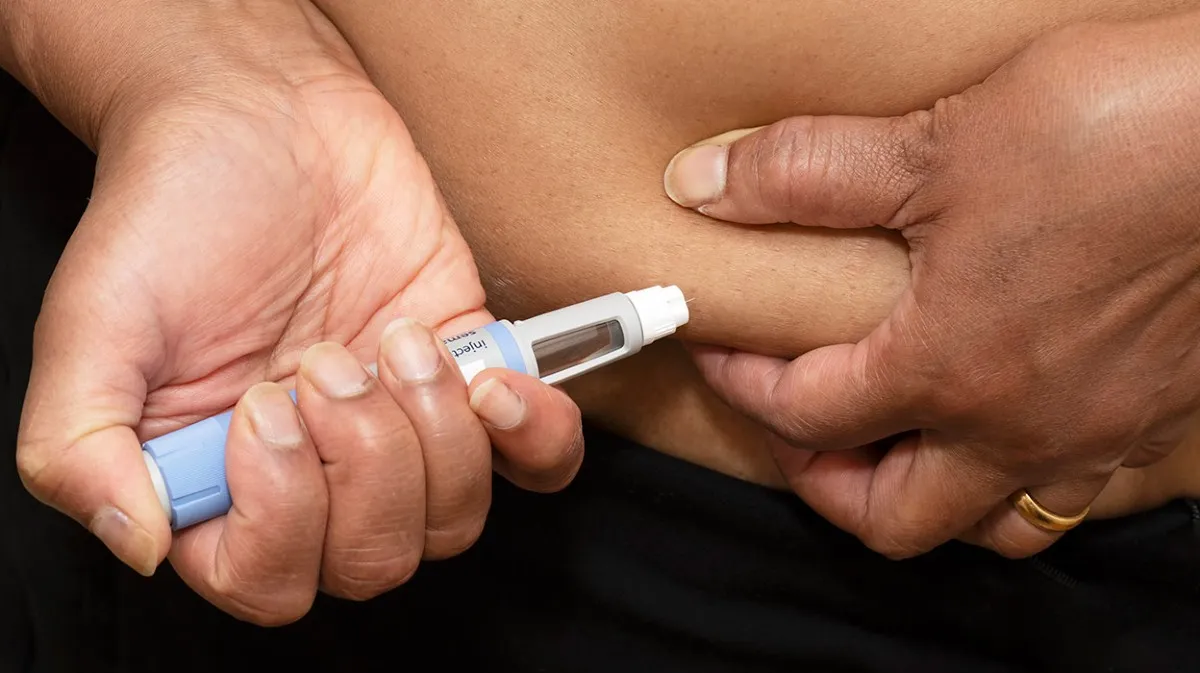
The rapid rise of GLP-1 receptor agonist medications, widely used for adult weight management, has prompted questions about their role in younger populations. Some of these drugs have received approval for certain adolescents in specific jurisdictions, and clinical trials are exploring use in even younger children. The WHO, however, has taken a deliberately cautious stance for those under 10.
Officials expressed concern about the long-term implications of starting such treatments early. Questions remain about duration of use, potential effects on growth and development, and whether medication can realistically serve as a temporary bridge to later lifestyle management. In the absence of robust long-term data, the organisation prioritises non-pharmacological strategies.
Mental Health as an Integral Component
The guidelines stress that obesity care must address mental health alongside physical health. Children and adolescents living with obesity frequently experience stigma, discrimination and reduced self-esteem. These psychosocial factors can undermine efforts to change behaviour and contribute to a cycle of poor mental and physical outcomes.
Effective programmes, the WHO notes, should therefore integrate psychological support, family involvement and efforts to reduce weight-related stigma in schools and communities. Treating obesity solely as a physical condition risks overlooking critical drivers of the problem and the well-being of the child.
A Shift Toward Integrated, People-Centred Care
The new guidelines represent the WHO’s first dedicated global framework for managing obesity in children and adolescents. They are intended to help health systems, policymakers and practitioners deliver timely, evidence-based and equitable care. Recommendations draw on systematic reviews of the evidence and consider factors such as feasibility, acceptability, equity, costs and the values of children and their families.
Dr Luz María De Regil, Director of the Department of Nutrition and Food Safety at the WHO, summarised the central message: the foundation of obesity care for children and adolescents is not medicine or surgery, but access to comprehensive support that enables healthy eating, physical activity and sustainable behaviour change.
Implications for Health Systems and Families
Implementation will require investment in primary care capacity, training for health workers, and programmes that reach families in diverse settings. Schools, communities and digital platforms all have roles to play in supporting healthier environments. For families, the guidance offers clarity: the first and most important steps involve everyday changes in diet, movement and routine, backed by professional support when needed.
The WHO has indicated that it will continue to monitor emerging evidence, particularly around newer medications, and update recommendations as the science evolves. For now, the message is unambiguous. For the youngest children living with obesity, the priority is building healthy foundations through lifestyle support rather than turning to drugs or surgery.
Read more – thebnssection.com